
Psychology Behind Color + A Design Prompt
- Mar 28
- 5 min read
Updated: Apr 16

Strip Down The Design
Take away the logo. Remove the typography. Delete the copy.
What remains is color. Just hue, tone, and contrast telling your audience exactly who you are – expensive or accessible, playful or polished, bold or cautious.
Color isn’t decoration. It’s declaration. And it’s usually speaking long before your copy gets the mic.
(And no, that’s not dramatic. That’s your brain doing what brains do: deciding vibes at record speed.)


Psychology Behind Color Palettes
Consumer behavior research consistently shows people form impressions about products and brands fast and color plays a starring role in that snap judgement. It signals category, personality, and even price point before logic kicks in.
Deep, inky tones tend to feel more refined and controlled than bubblegum brights. Muted neutrals communicate something entirely different than high-contrast, saturated combinations. All of that happens before your clever copy even clears its throat.
Color isn’t waiting politely in the background. It’s making executive decisions.
Why Color Influences Buying
Color influences emotion, and emotion influences behavior. That’s why entire industries have basically formed long-term relationships with certain palettes.
Luxury brands often embrace black and deep jewel tones to project exclusivity and confidence.
Wellness brands gravitate toward greens and softer neutrals because we associate those hues with health and calm.
Food brands frequently rely on warm reds and oranges because research in food psychology and perception discusses how warm colors can increase appetite cues and desirability.
Is It Always One-size-fits-all? We don’t think so!
Context matters.
Culture matters.
Audience matters.
But color still sets expectations before content gets a chance to explain itself.
Color influences emotion.
Emotion influences behavior.
Behavior influences buying.
This isn’t fluff, friends. This is strategy.

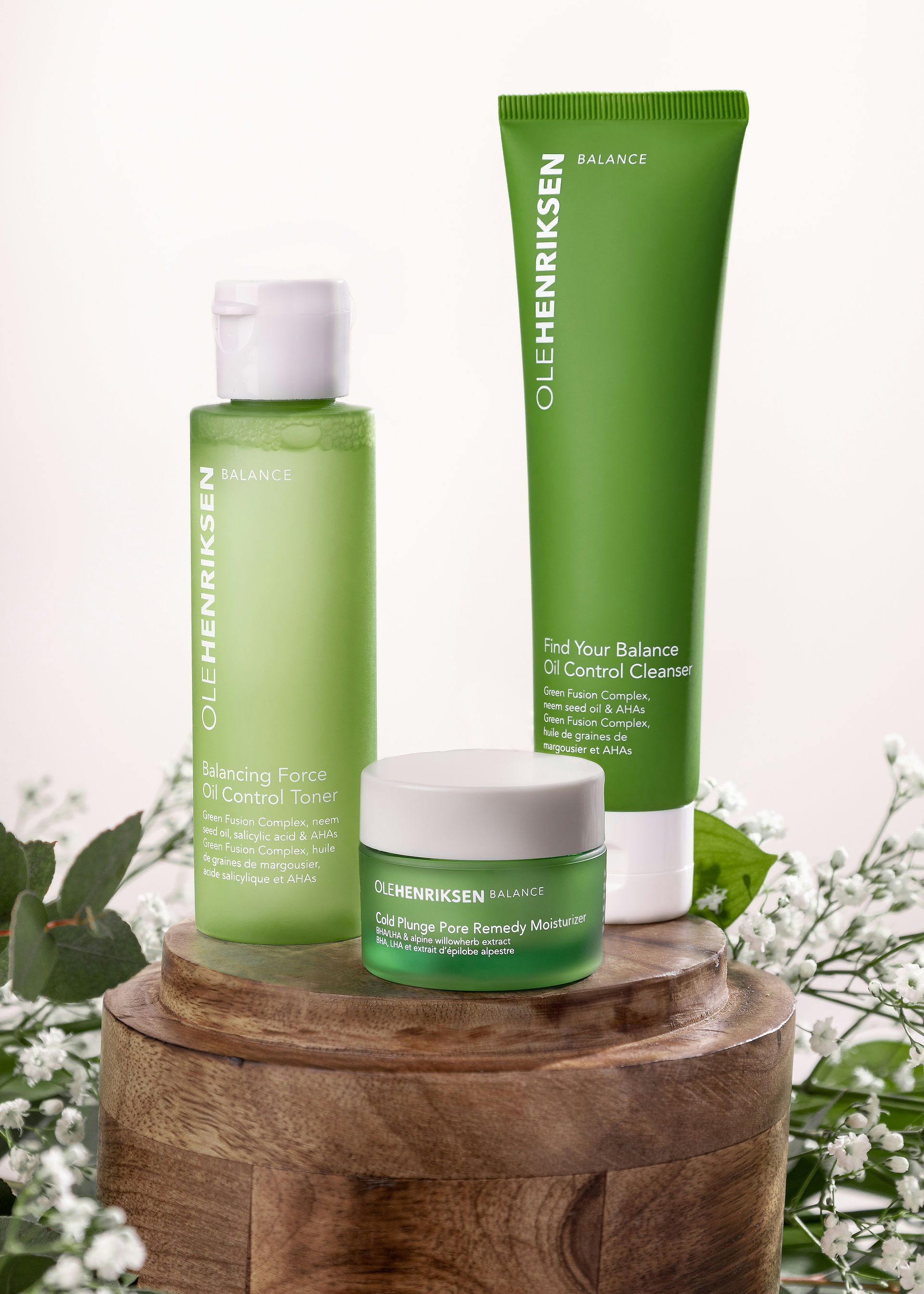

Using Color Palettes To Do The Heavy Lifting
Color isn’t garnish, it’s infrastructure. In practice, color carries structural weight in design.
Color Builds Recognition
When a palette is used consistently, it becomes a visual shortcut in the brain. We begin to recognize systems faster than we recognize logos or taglines because the brain loves efficiency and hates extra work.
Color Guides Hierarchy
Strategic contrast directs attention and tells the eye where to go first. Your call-to-action works because it intentionally interrupts the system.
Color Creates Cohesion
When your color system behaves consistently across web, print, packaging, and social, it feels considered. And considered feels trustworthy. You know, like you meant to do that on purpose (because you did).
Lastly, if your colors aren’t readable, your design isn’t “clean,” it’s just difficult to use. Accessibility isn’t optional. It’s part of good design and being a good human to get the information in the hands of as many people as possible. Contrast and legibility can make a design and break one.

The Comfort Zone Trap
It’s tempting to default to what is safe, something that won’t scare anyone in the meeting. Safe has its place, but safe is rarely remembered.
If you want to see color used unapologetically, look at music.
Album, covers don’t whisper, they declare. A square on the screen (or at one time behind a plastic cover sold for $9.99 at your nearest Sam Goody’s) can communicate genre, energy, era, and identity. Electric neon feels entirely different than dusty sepia. Deep indigo tells a different story than sun-scorched orange. You can almost hear the palette and feel its personality! This is brand harmony at its best.
Pretty? Maybe, but more importantly, it’s positioning.
Design Prompt: Design An Album Cover For Your Favorite Artist And Let Color Lead
What would you do? How would you get inspired? Would you use photography, illustration, or both?
But don’t just recreate their current aesthetic. That’s too easy. Push it. Start by listening – no Pinterest, no moodboards. Just audio. What colors surface instinctively? Is the sound saturated and loud? Restrained and monochrome? Warm and analog? Cool and metallic?
Before you touch typography or imagery, build a color-only moodboard. Just hue, tone, and contrast. Let the palette guide the direction.
Then push yourself deliberately:
If you usually live in neutrals, go bold.
If you lean maximalist, try a disciplined two-color system.
If photography is your comfort zone, explore illustration. Or collide both and see what tension creates.
This design prompt isn’t about making something portfolio-perfect. It’s about strengthening your instinct with color – about choosing it intentionally instead of defaulting to what feels safe.
Great design isn’t just well-composed – it’s well-colored.
Put It In Action: Apply These Tips To Your Brand
Reading about color is cute. Designing with conviction is the payoff.
Here’s how to stop nodding along and put what we’re saying into practice:
Do A 60 Second Color Audit - Open your homepage or latest post. Squit. Blur it. Step back. What does the palette say?
Give Your Colors Jobs - Primary = foundation. Secondary = support. Accent = attention. If every color is shouting, none are leading. If everything is subtle, nothing is memorable.
Spin the wheel on Coolors and see what color combinations push you outside your defaults.
Check Your Contrast - Run your color combinations through a contrast checker. WCAG recommends at least 4.5:1 for body text so your design is actually readable.
Break Your Pattern - Identify the color(s) you default to. Now don’t use it. Design something where the color you usually avoid becomes the hero.
Credits
Editor: Jenn Hart (More About Me)
Associate Editor: Sarah Dawoud
Art: Sharon Bakas

Author: Hannah Heine
Hannah is a writer and digital marketer living in Northern California. For the past decade, she has partnered with brands across industries to help them show up online with authenticity and purpose. After living in Italy, Spain, and South Korea, she brings a global perspective to her storytelling. A Kentucky native at heart, Hannah enjoys traveling, hiking, and chasing her toddler with her newborn in tow.
Subscribe to The Squeeze on our little piece of the internet to get design promotions, resources, stories about other creatives, and inspiration for your eyeballs and brainstorms.
Everything we share here is meant to be helpful and inspiring. We’re speaking from experience and past proof of concept. We respect each other's works, cultures, and opinions. The trends, examples, and observations in this article are provided for educational and inspirational purposes only. Mentioned brands, businesses, and cultural references are not affiliated with or endorsing this content. Opinions on all subject matter, audience behavior, and strategies are general observations and may not apply to every audience or situation. Always consider your brand values, goals, and audience sensitivities before implementing changes or creating new visual content. Please consult a qualified professional when needed to help make decisions. You are responsible for how you choose to use this information, and we are not liable for any loss, damages, or issues that may arise. We can’t be responsible for how things play out, but we’re always rooting for your success!
Sources:
Popular Related Articles


